
Interior Designer vs. 3D Rendering Studio: How to Collaborate Efficiently
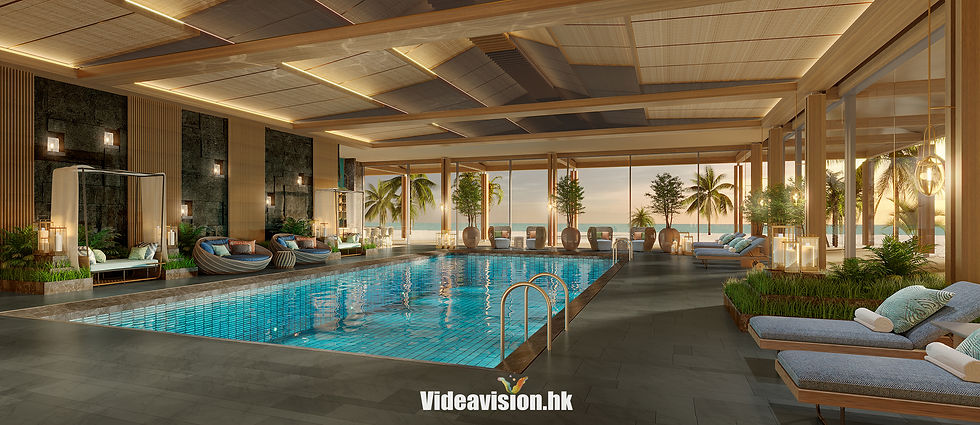
The secret to smooth remote collaboration? A clear briefing process.
Every day, we work with interior designers and architects across the US and the UK. One thing we've learned is this:
The projects that go through the most revision rounds are rarely the most complex designs. They are simply the ones with unclear communication upfront.
You know the space. We know the visualization. When both sides work in sync, the final renderings don't just meet expectations — they help you win client approvals faster.
This post outlines a simple 5-step workflow we use with our designer clients

Why "Collaboration" Matters More Than Rendering Software
Many designers hesitate to outsource 3D rendering because they worry about:
Will the studio misinterpret my model?
Will materials look cheap or unrealistic?
Will we need 10 rounds of revisions to get it right?
The truth is, the smoothest projects come from designers who know how to brief well. A structured handover saves more time than any rendering engine upgrade.
The 5‑Step Workflow: From Concept to Final Render
Step 1 – Share Your Base Model + Design Intent
What you send:
3D model (SketchUp, Rhino, Revit, 3ds Max — any format works)
Preferred camera angles (hand sketches or reference images are fine)
A short note on what matters most in this space: light? materials? furniture layout?
💡 Our tip: Your model doesn't have to be 100% complete. We can fill in missing details. But the clearer your "design story", the closer our first draft will be to your final image.
Step 2 – Provide Material & Finish References
This is the most important — and most often rushed — step.
Please send:
Reference images for walls, floors, wood finishes, tiles, fabrics, etc.
If possible, a simple note like: "Oak herringbone floor – matte finish" or "Bathroom wall: large format white marble, polished"
💡 Why this matters: A picture of a real material (even from your phone) is worth 20 written descriptions. Pinterest and vendor links are also perfect.
Step 3 – Lighting & Mood Direction
Designers in London vs Los Angeles think about light very differently. Tell us:
Is this space bright and airy? cozy and dim? dramatic with strong shadows?
Do you want natural daylight (and which direction is the window facing)?
Or accent lighting with downlights, pendants, or hidden strips?
💡 Pro tip: Attach 2–3 mood images that capture the feeling you want. That alone reduces 80% of lighting revision emails.
Step 4 – First Draft Review & Markup Process
Use simple tools like Markup on PDF or even red arrows on screenshots to indicate changes.
Group feedback into one email instead of sending 5 separate notes.
Be specific: "Move the sofa 30cm to the left" is better than "the sofa feels off".
💡 Our commitment: Most projects are finalized within 4–6 revision rounds. If something is unclear, we will ask — not guess.
Step 5 – Final Delivery & Future Collaboration
You receive:
High-resolution still images (300dpi, ready for client presentation or printing)
Optional: 360° panorama or simple video walkthrough
All files organized and named clearly by room or angle
And next time? You simply reuse the same briefing template — faster every round.
Download: Free Production Procedure (PDF)
To make your next project smoother, we've created a production procedure.
It includes:
What to send (model, materials, lighting notes)
What not to send (unnecessary cad layers, half‑finished textures)
A simple approval timeline example
No sign‑up walls. Just a tool to help us both work better.
Why Designers in the US & UK Work With Us (Even Remotely)
We know time zones can feel like a barrier. But here's what our designer clients tell us works well:
You send files before you log off (US/UK evening). We render while you sleep. You wake up to first drafts.
No agency‑style delays. You speak directly to the senior render artist.
Flat revision policy — no surprise fees for reasonable changes.
We are not the biggest rendering studio. But we aim to be the clearest.
Ready to See How Smooth Collaboration Feels?
If you have a project coming up — residential, commercial, or conceptual — send us your floor plan and mood board.
We'll reply within 24 hours with:
A fixed price quote
A proposed timeline
👉 Contact us at info@videavision.hk
Keep rendering. Keep designing. We’ll handle the pixels.


Comments